
Cannabis Concentrates, Explained
Cannabis concentrates are refined products created by extracting key compounds such as cannabinoids and terpenes (cannabis terpenes explained) from the cannabis plant. This process results in a more concentrated form compared to traditional flower. Popular varieties include wax, shatter, oils, and hash, each offering different textures and experiences. Concentrates are commonly enjoyed through vaporization, dabbing, or as an ingredient in infused products, making them a popular option for those seeking a more concentrated cannabis experience.
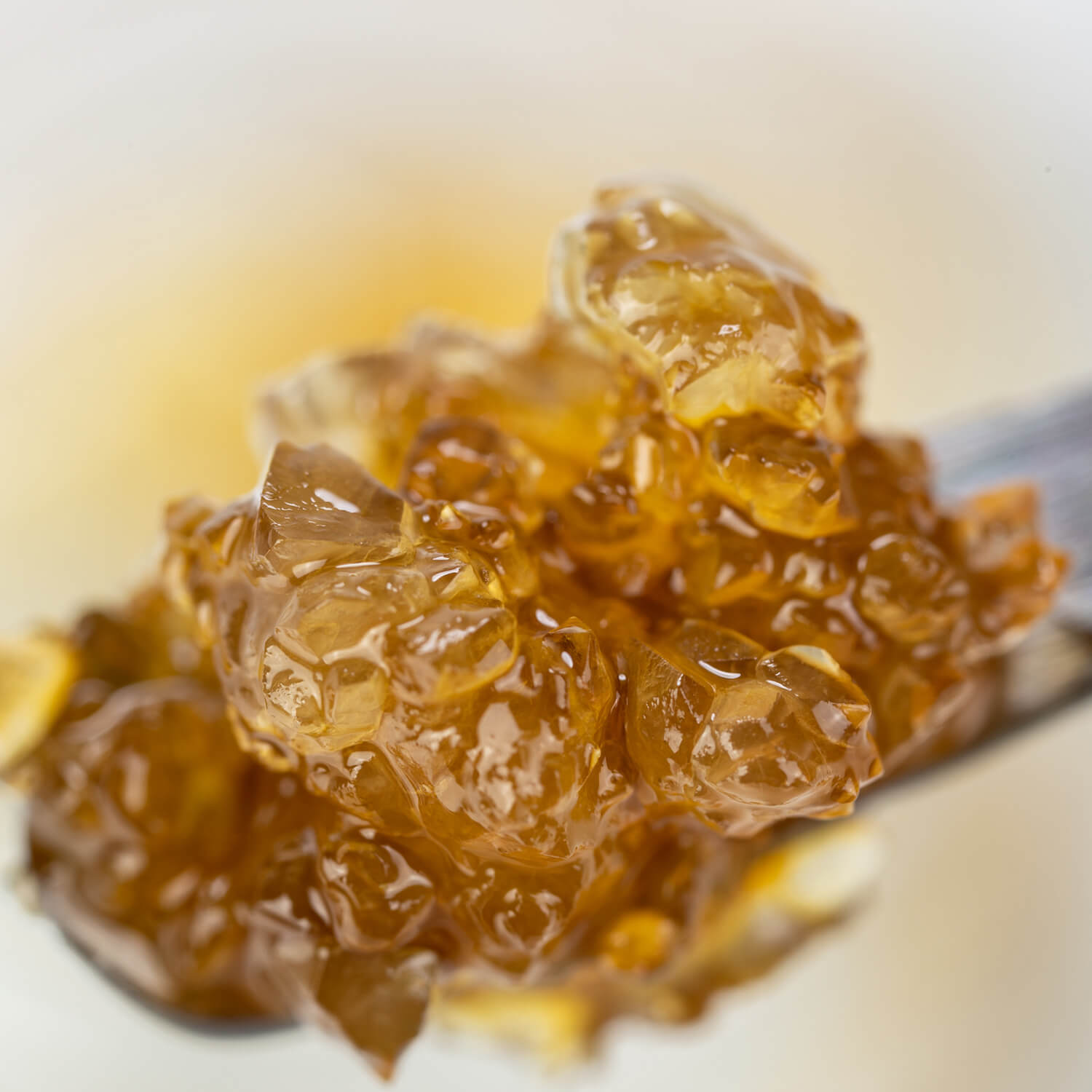
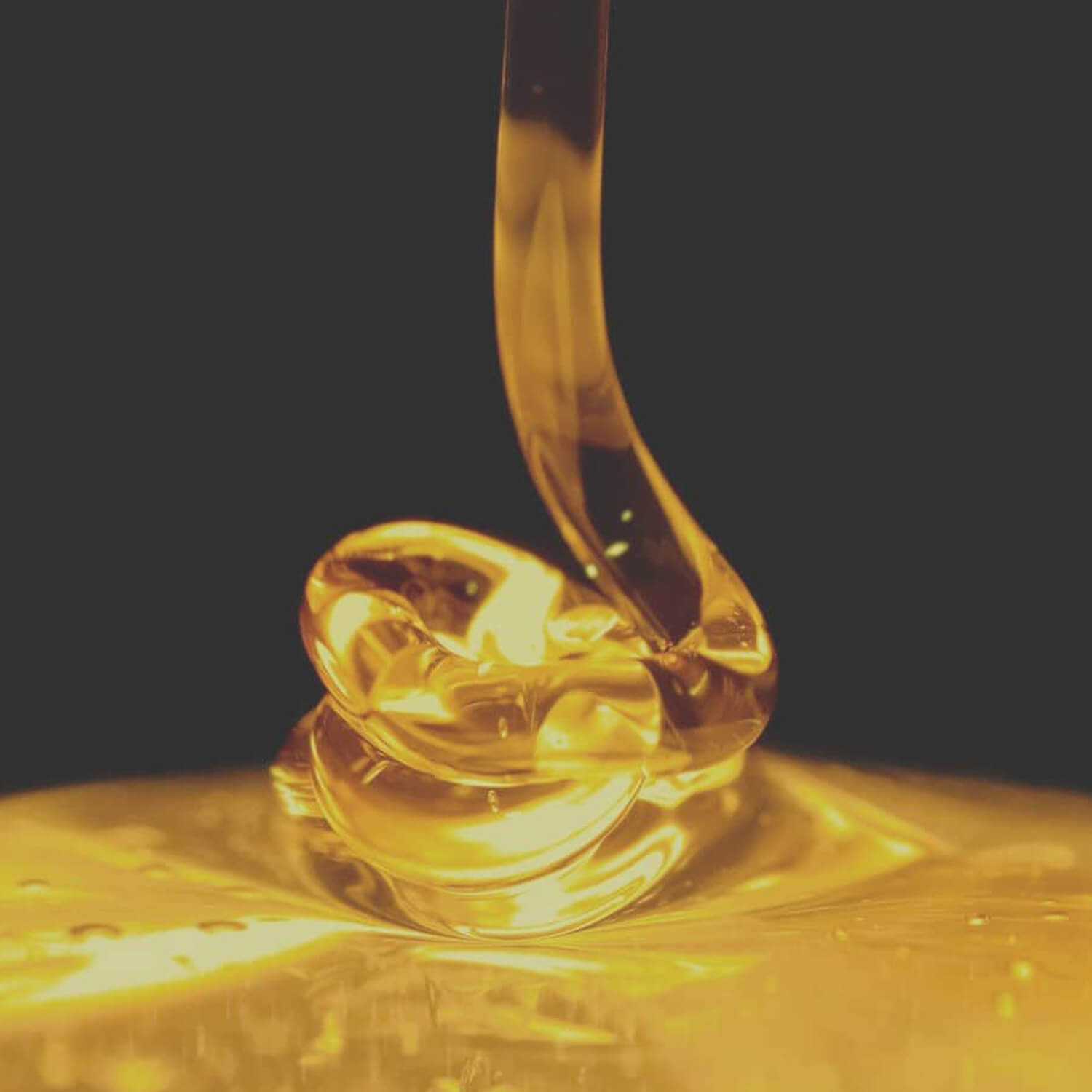
Distillate
Cannabis distillate is a highly refined extract known for its clarity, consistency, and concentrated cannabinoid content. Through advanced refinement techniques, specific cannabinoids—most commonly THC or CBD—are isolated into a smooth, oil-based form. The result is a versatile extract valued for its purity and predictable composition.
Distillate is commonly used in vaporizer cartridges, edibles, and tinctures due to its neutral flavor profile and adaptability across product types. Its refined nature allows it to blend easily into infused products while maintaining consistent cannabinoid levels.
How Distillate Is Made
The process begins with solvent-based extraction methods, such as CO₂ or hydrocarbon extraction, which separate cannabinoids and terpenes from the cannabis plant material. These methods rely on controlled pressure and temperature to extract desired compounds while leaving behind unwanted plant matter.
After extraction, the oil undergoes additional refinement steps, including winterization, which removes fats, lipids, and waxes using food-grade solvents like ethanol. Distillation then further purifies the extract by separating compounds based on their boiling points, resulting in a clear, highly refined oil.
CO₂ extraction is often favored for its ability to preserve a broader range of terpenes through precise control of processing variables. This flexibility allows producers to create a variety of refined cannabis products, including vape oils and other concentrates.
Live Resin
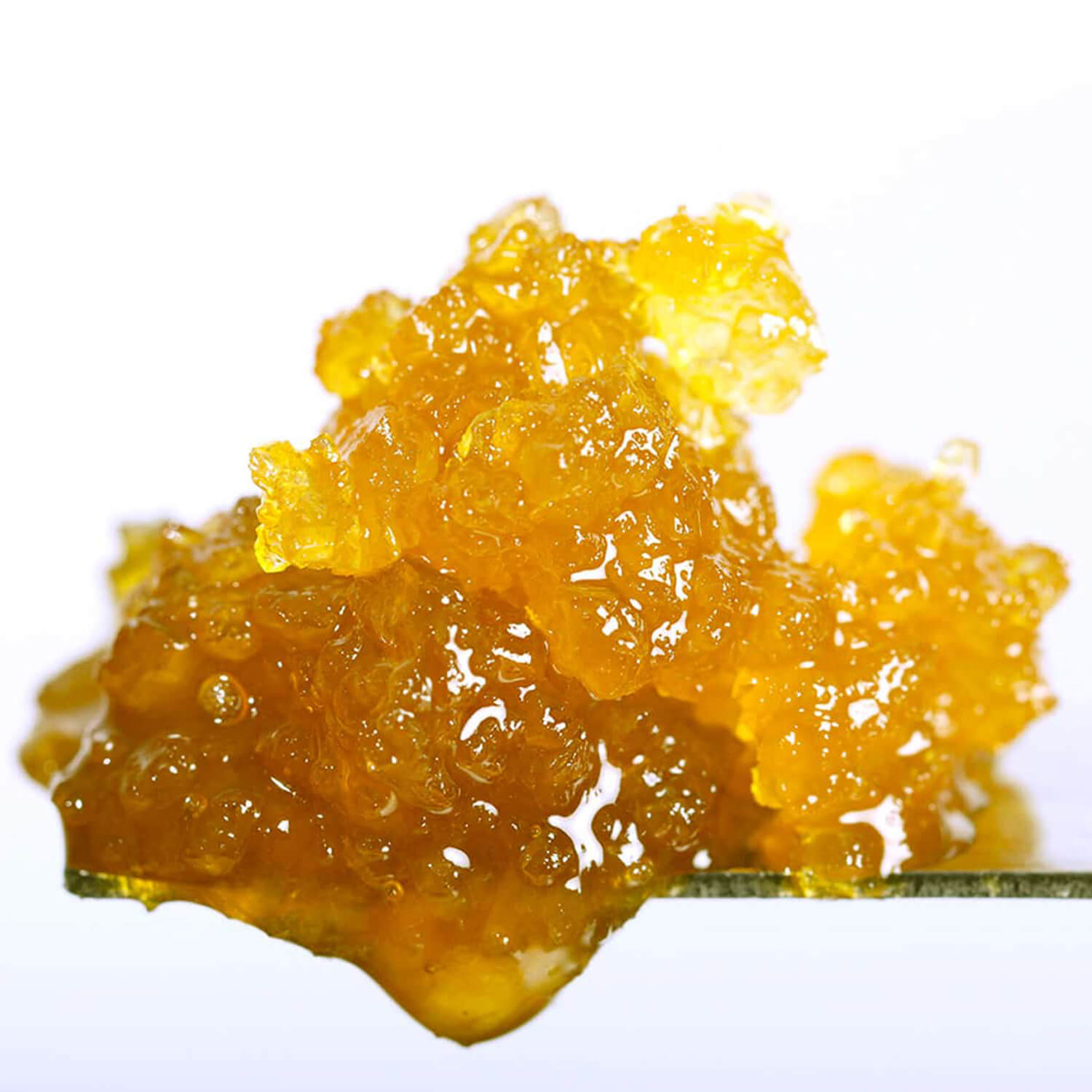
Live resin is a type of cannabis concentrate recognized for preserving the plant’s natural character. Unlike traditional concentrates, live resin is produced using cannabis that is frozen immediately after harvest. Skipping the drying and curing process helps retain more of the plant’s original terpenes and cannabinoids, resulting in richer aroma and flavor profiles.
By maintaining the plant material at extremely low temperatures throughout extraction, live resin captures the freshness of the cannabis at its peak. After extraction, the concentrate may be gently processed using controlled heat and vacuum techniques to achieve its final consistency. Live resin is commonly enjoyed in its natural form or used in vaporizer cartridges.
Extraction Methods
Live resin is created using solvent-based extraction techniques, including:
- Butane
- Propane
- Ethanol
- Carbon dioxide (CO₂)
Each method is carefully controlled to preserve the plant’s aromatic compounds while separating the desired cannabinoids.
Live Resin vs. Cured Resin
The key difference between live resin and cured resin lies in the starting material. Live resin is produced from freshly harvested cannabis that is frozen immediately, while cured resin is made from dried and cured flower. This distinction often results in cured resin having a more traditional flavor profile, while live resin retains a brighter, more aromatic expression of the plant.
Live Rosin
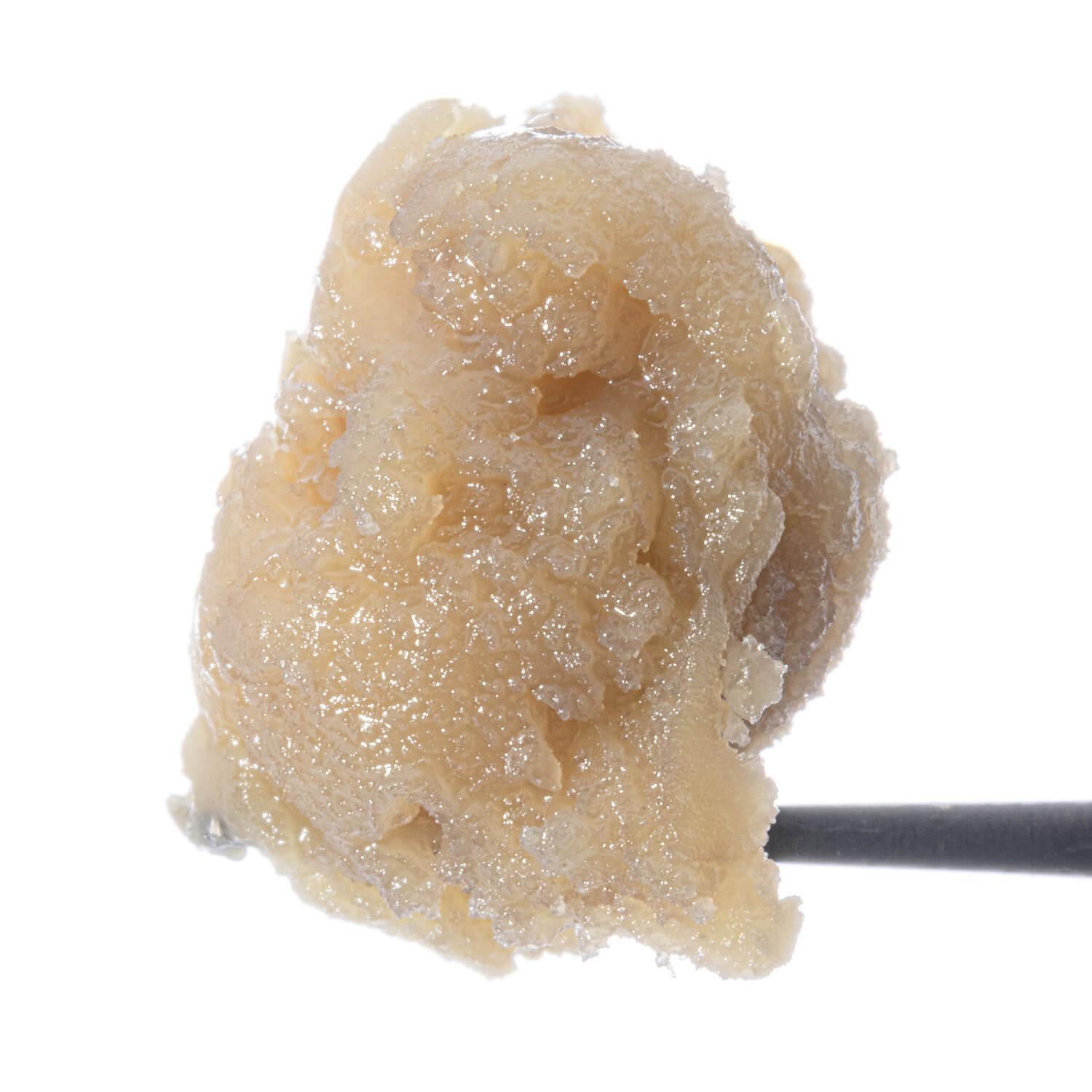
Live rosin is a cannabis concentrate created using only heat and pressure, without the use of chemical solvents. During this process, cannabis material is pressed between heated plates, allowing the natural oils to be released. Because no solvents are involved, live rosin is often valued for its clean extraction method and full-spectrum profile.
This solvent-free approach helps preserve naturally occurring cannabinoids and terpenes, contributing to a rich aroma and flavor experience. While potency can vary depending on the starting material, live rosin is widely appreciated for its quality, purity, and refined character.
Types of Rosin
Flower Rosin
Flower rosin is produced by pressing dried cannabis flower or trim. It is commonly known for offering a smooth flavor profile and is often considered more approachable due to its balanced characteristics.
Hash Rosin
Hash rosin is created by pressing refined cannabis hash, such as bubble hash or dry sift. This method typically results in a more concentrated extract and can deliver a stronger overall experience, depending on the quality of the hash used.
Why Rosin Is Cured
After extraction, rosin is often cured to enhance its texture, stability, and terpene expression. Curing allows the extract to naturally develop its consistency while improving shelf stability when stored properly. This process can range from several hours to multiple days, depending on the desired outcome.
Cold Curing vs. Heat Curing
Rosin can be cured using either cold or warm methods. Cold curing involves storing rosin at lower temperatures to maintain terpene content and typically results in a smooth, creamy consistency. Heat curing uses controlled warmth to create a range of textures, such as sauce or jam, offering visual and textural variety.
Cold curing is often preferred when terpene preservation is the primary goal, as lower temperatures help protect delicate aromatic compounds.
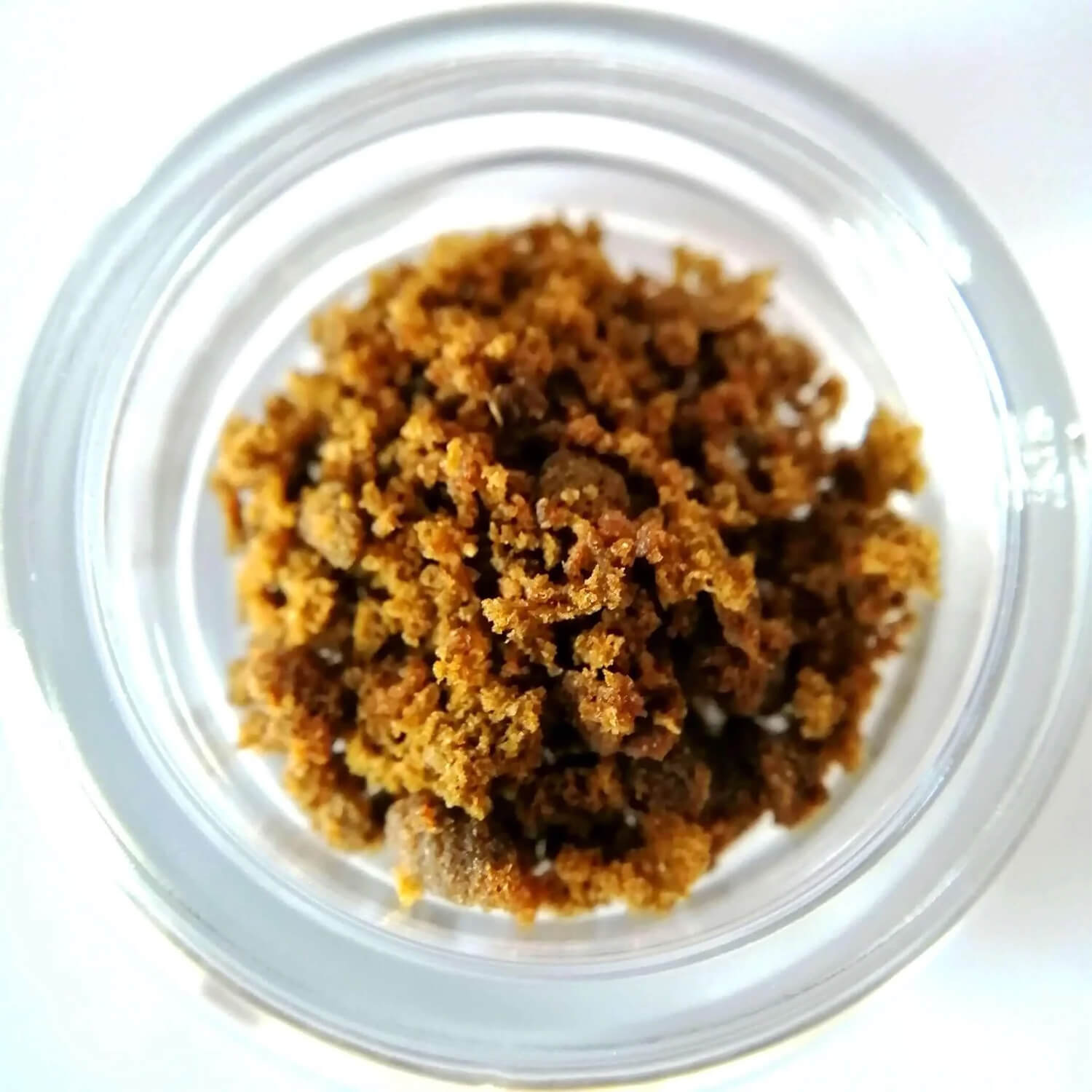
Bubble Hash
Bubble hash is a traditional cannabis concentrate made using an ice water extraction process. Freshly harvested cannabis is frozen to help preserve its natural terpene and cannabinoid content. The frozen plant material is then gently mixed in ice water, allowing the resin glands—known as trichomes—to separate from the plant.
Once released, the trichomes are filtered through a series of fine mesh screens, commonly measured in microns, to separate them by size and quality. After collection, the trichomes are carefully dried using specialized freeze-drying techniques to remove moisture while maintaining integrity and consistency.
In simple terms, bubble hash is a concentrated form of cannabis made by collecting and refining trichomes using water, ice, and filtration—without the use of chemical solvents.
Bubble Hash vs. Kief
While bubble hash and kief both come from cannabis trichomes, they are not the same. Kief is the loose, dry resin that naturally falls off cannabis flower, often collecting at the bottom of a grinder. Bubble hash, on the other hand, is produced through a controlled extraction process and is typically compressed or refined into a more cohesive concentrate.
Fresh Press
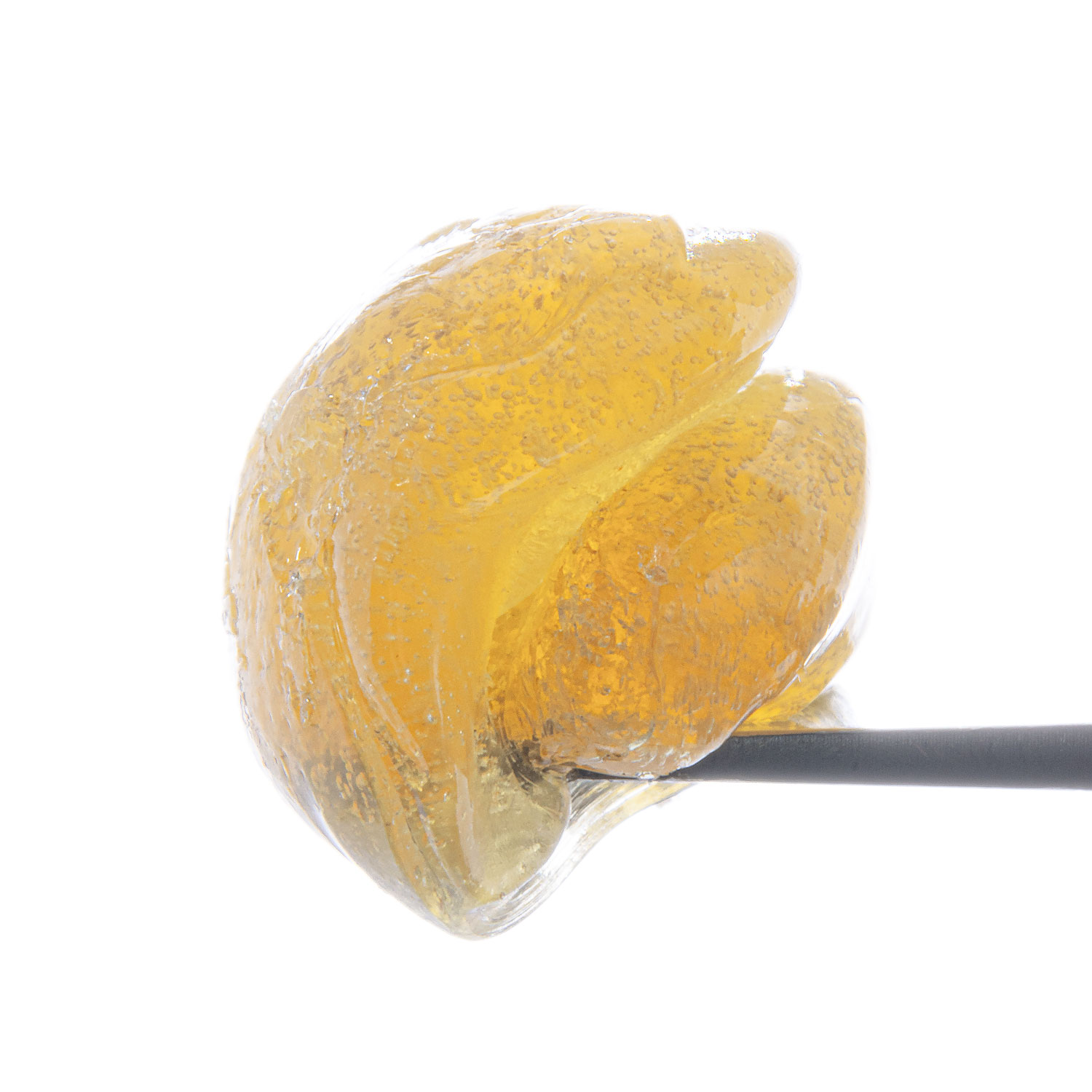
Fresh press refers to live rosin in its most immediate form, reflecting the texture and appearance it has directly after extraction. This style showcases rosin exactly as it comes off the press, before any curing or texture changes take place.
To preserve this original consistency, fresh press rosin is rapidly frozen shortly after pressing. Maintaining cold storage helps prevent natural texture changes, such as drying or crystallization, allowing the product to retain its smooth, freshly pressed characteristics. Proper temperature control is essential to keep fresh press rosin in its intended state.
Sources & References
The educational content on this page is informed by publicly available industry resources and educational materials from trusted cannabis publications and research-focused organizations. These references are used to support general knowledge and educational discussion.
- Leafly. Understanding Cannabis Distillates and Concentrates. April 2022.
- Hashwriter. An Introduction to Solventless Hash and Rosin Products. March 2023.
- Leafly. A Guide to Live Resin Cannabis Concentrates. May 2024.
- Leafly. Rosin Explained: Production Methods and Uses. May 2024.
- Lowtemp Industries. Cold Curing vs. Heat Curing Rosin: An Overview. Accessed June 2024.