
Cannabis Terpenes, Explained
Cannabis terpenes are naturally occurring aromatic compounds found in the cannabis plant. They are responsible for the distinct aromas and flavors associated with different strains, ranging from citrus and pine to earthy and floral notes. Beyond aroma, terpenes play an important role in shaping the overall character and experience of cannabis products.
Ongoing research suggests terpenes may interact with cannabinoids in meaningful ways, contributing to the unique profiles of different cannabis varieties. While scientific study of terpenes and concentrates like live resin are still developing, they remain a key area of interest for understanding how cannabis expresses flavor, aroma, and variety. This section is intended for educational purposes only, as research into terpene behavior and effects continues to evolve.
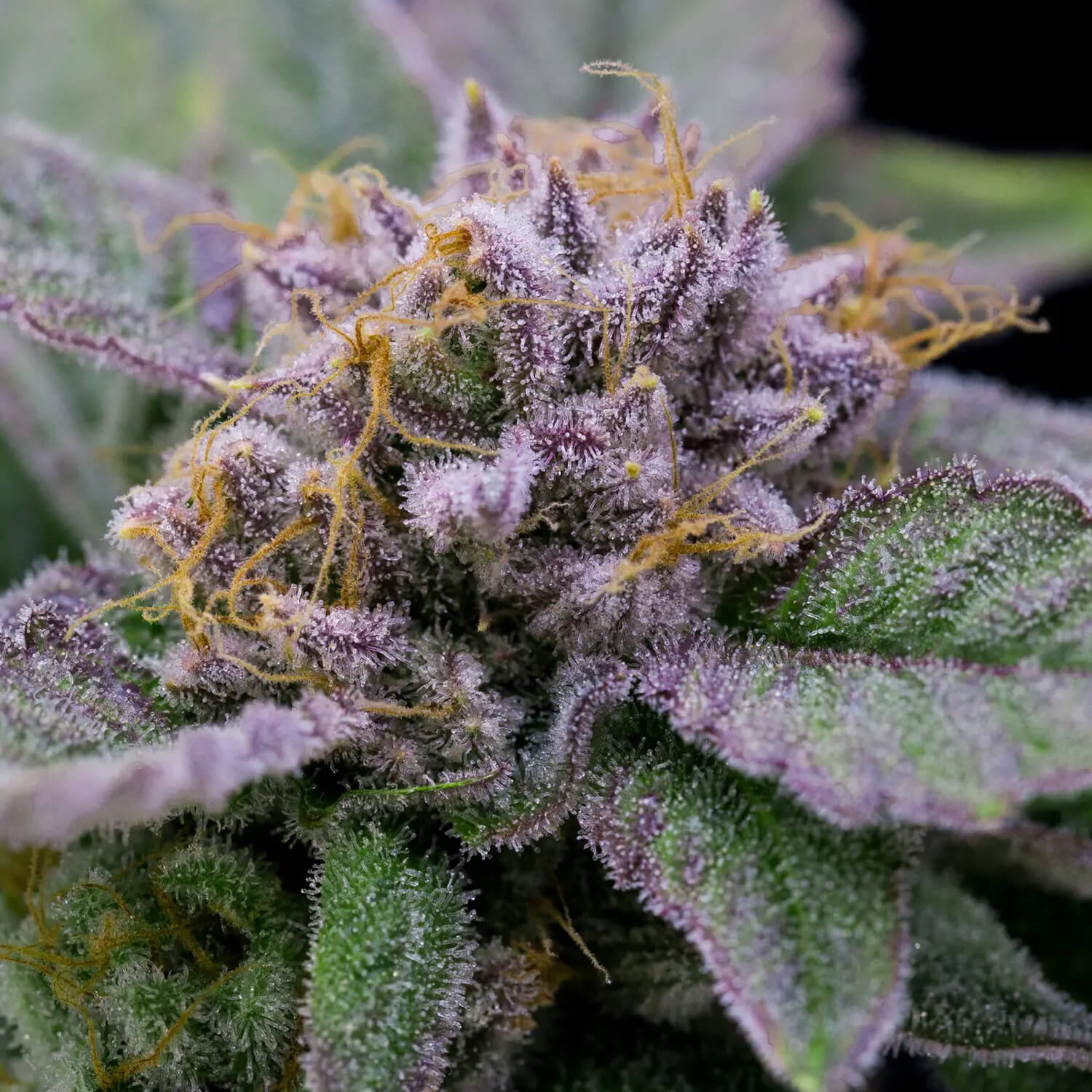
Terpenes play an important role in cannabis by shaping its aroma, flavor, and overall character. These naturally occurring compounds are produced in the same resin glands as cannabinoids like THC and CBD, giving each cannabis variety its distinct scent and taste profile. In addition to sensory qualities, terpenes are believed to work alongside cannabinoids in a way often referred to as the entourage effect. This interaction may influence how different cannabis products are experienced, helping explain why strains with similar cannabinoid levels can feel noticeably different. Research into these interactions is ongoing, and much is still being explored about how terpenes contribute to the diversity of cannabis experiences.
Types of Terpenes
Woody with light citrus and herbal notes
Terpinolene is found in cannabis as well as plants like pine and sage. It contributes a fresh, layered aroma and is commonly used in fragrances and flavoring products. In cannabis, it plays a role in shaping aroma and overall profile, particularly in varieties with complex scent characteristics.
Sweet and herbal, with hints of mint and basil
Ocimene appears naturally in plants such as mint, parsley, and cannabis. It adds a bright, uplifting scent and is frequently used in perfumes and flavorings. In cannabis, ocimene contributes to fresh, vibrant aroma profiles.
Spicy and earthy, similar to black pepper and hops
Caryophyllene is unique among terpenes due to its interaction with cannabinoid receptors. Found in cannabis, cloves, and black pepper, it contributes a bold, peppery aroma and is widely used in culinary and aromatic applications.
Earthy and woody with spicy undertones
Commonly found in hops, basil, and cannabis, humulene contributes to herbal and earthy scent profiles. It is a key component in hops and plays a role in shaping the aroma of certain cannabis varieties.
Bright citrus, similar to lemon or orange peel
Limonene is abundant in citrus fruits and cannabis. Known for its fresh, uplifting scent, it is widely used in cleaning products, cosmetics, and aromatherapy, and contributes lively citrus notes to cannabis aroma profiles.
Earthy and musky with subtle fruity notes
Myrcene is one of the most common terpenes found in cannabis, as well as mangoes and hops. It contributes rich, grounding aromas and plays a major role in defining the character of many cannabis varieties.
Floral with hints of lavender and spice
Found in lavender, mint, and cannabis, linalool is valued for its soft, calming scent. It is commonly used in fragrances, skincare products, and aromatherapy, contributing gentle floral notes to cannabis profiles.
Woody and floral with citrus undertones
Nerolidol occurs naturally in plants such as jasmine, ginger, and cannabis. It is often used in cosmetics and aromatherapy and adds a subtle, smooth aroma to certain cannabis varieties.
Fresh pine and forest-like
Pinene is found in pine trees, rosemary, and cannabis. It delivers crisp, herbal aromas and is commonly used in fragrances and essential oils, contributing sharp, clean scent notes.
Minty and camphor-like
Borneol appears in herbs like rosemary and ginger. It has a strong, cooling aroma and has been traditionally used in aromatic applications. In cannabis, it adds sharp, refreshing scent elements.
Sweet citrus with woody undertones
Valencene is most commonly associated with Valencia oranges and citrus fruits. It contributes bright, fresh aromas and is widely used in fragrance and flavor industries.
Earthy with pine and herbal notes
Camphene is found in plants such as fir, nutmeg, and cannabis. It is commonly used in essential oils and contributes sharp, herbal aroma characteristics.
Sweet and fruity with green, woody tones
Naturally occurring in apples, chamomile, and cannabis, farnesene adds soft, fruity notes and is often used in cosmetics and fragrance products.
Light floral with subtle spice
Bisabolol is found in chamomile and other plants. It is widely used in skincare and cosmetic formulations and contributes gentle, soothing aroma qualities.
Fresh, minty, and cooling
Eucalyptol, also known as cineole, occurs in eucalyptus, bay leaves, and cannabis. It adds crisp, refreshing notes and is commonly used in aromatic and personal care products.
Sources & References
The educational information provided on this page is informed by publicly available cannabis research articles, glossaries, and industry publications. These sources are used to support general knowledge related to terpene profiles, aromas, and cannabis education.
- Leafly. Educational resources on cannabis terpenes and aroma compounds. 2020–2024.
- Leafly. Cannabis terpene profiles and glossary entries. Accessed June 2024.
- Leafly. Science-based articles exploring terpene characteristics and interactions.
- Leafwell. General informational content on plant-derived terpenes. 2023.