
Cannabinoids, Explained
Cannabinoids are naturally occurring compounds found in the cannabis plant that influence its effects and potential benefits. This guide explains cannabinoids, including THC, CBD, CBN, and other naturally occurring compounds, without the jargon. Understanding how cannabinoids interact with the body’s endocannabinoid system can help you make informed decisions when choosing cannabis products. Whether you’re learning about THC vs CBD or exploring cannabis education in Maryland, Coastal Cure Cannabis in Delmar, MD is committed to providing clear, reliable information to help you better understand cannabis.
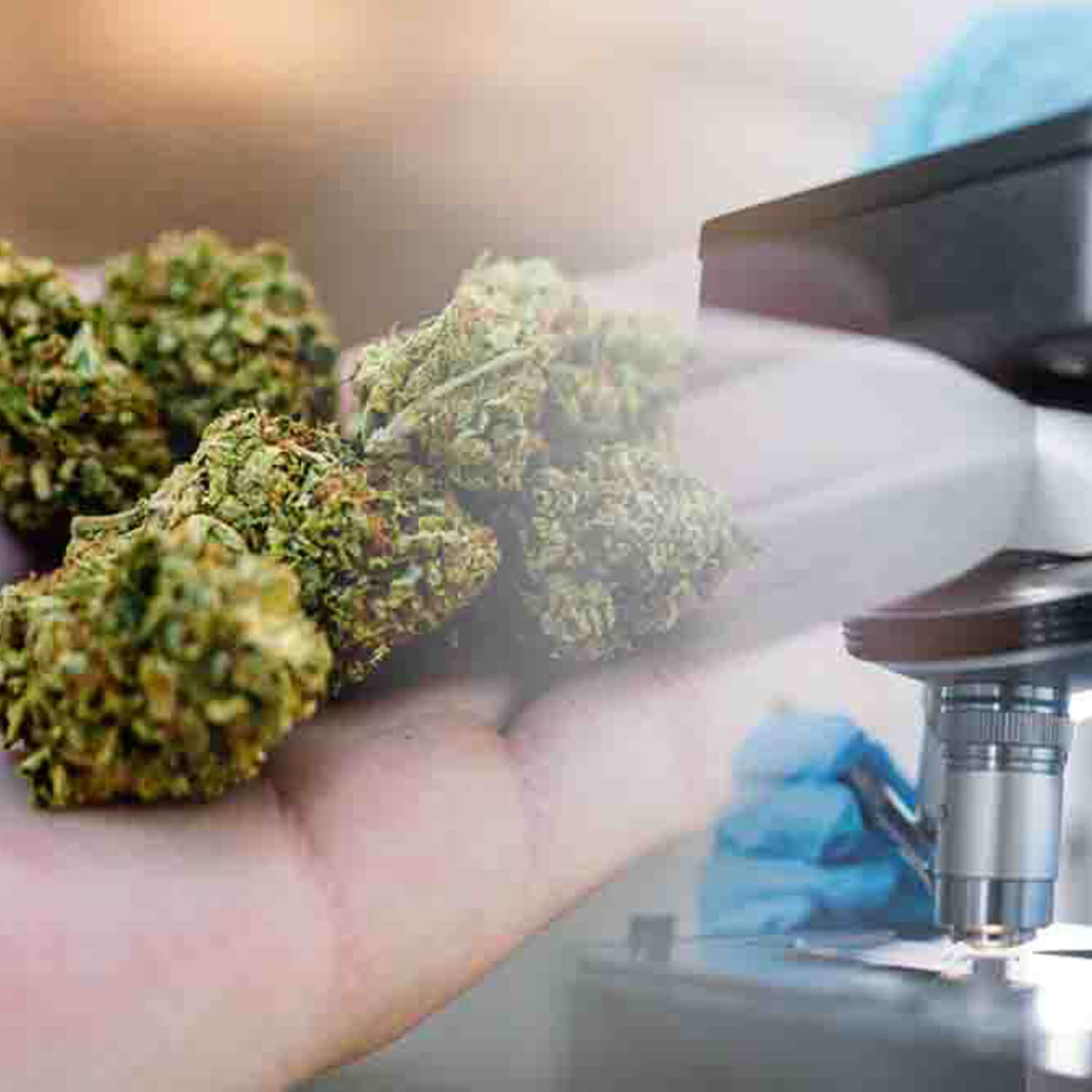
More About Cannabinoids
Cannabinoids are a group of naturally occurring compounds that interact with specific receptors in the body. These interactions take place within the endocannabinoid system (ECS), a complex network that helps regulate balance across many normal bodily functions.
Types of Cannabinoids
Cannabinoids are commonly grouped into three main categories:
Phytocannabinoids
These cannabinoids are produced by the cannabis plant and are found throughout its flowers, leaves, stalks, seeds, and resin. Well-known examples include THC and CBD, along with many lesser-known compounds present in smaller amounts.
Endocannabinoids
Endocannabinoids are compounds naturally produced by the human body. They play a role in supporting everyday functions such as mood, memory, appetite, and overall balance. Examples include anandamide and 2-arachidonoylglycerol (2-AG).
Synthetic Cannabinoids
Synthetic cannabinoids are created in laboratory settings. Some are developed for research purposes, while others are used in regulated medical applications, such as dronabinol and nabilone.
Understanding Cannabinoid Diversity
Researchers have identified over 150 cannabinoids within the cannabis plant. The majority are considered minor cannabinoids, typically appearing in very small concentrations within cannabis flower.
Cannabinoids serve important functions for the cannabis plant itself, including protection from environmental stressors. When consumed, these compounds interact with cannabinoid receptors—primarily CB1 and CB2—located throughout the body. CB1 receptors are largely associated with the central nervous system, while CB2 receptors are more commonly found in peripheral tissues, including immune cells.
It’s important to recognize that every individual’s endocannabinoid system is unique. Personal responses to cannabinoids can vary widely, which is why experiences may differ from person to person.
Types of Terpenes
Cannabinoids vary widely in how they interact with the body and the cannabis plant. Below are some of the most commonly discussed cannabinoids, each with distinct characteristics and roles.
THC is the most widely recognized cannabinoid found in cannabis and is primarily associated with intoxicating effects. It interacts mainly with CB1 receptors in the brain and central nervous system, influencing perception, mood, and sensory experience.
The effects of THC can differ based on factors such as dosage, individual tolerance, and method of consumption. Commonly reported experiences may include relaxation, altered sensory awareness, increased appetite, or drowsiness. Because THC is fat-soluble, it can be stored in the body’s fat cells for extended periods.
THC is also the primary cannabinoid responsible for the traditional “high” associated with cannabis and is commonly discussed in both adult-use and regulated medical contexts.
CBD is a non-intoxicating cannabinoid found in both cannabis and hemp plants. Unlike THC, CBD does not produce euphoric effects and interacts differently with the body’s systems.
CBD has gained attention for its potential role in supporting balance and relaxation. Ongoing research continues to explore how CBD interacts with various receptors and systems within the body. In regulated medical settings, CBD-based formulations have been approved for specific, limited uses.
Because it does not produce intoxication, CBD is often explored by individuals seeking cannabis options without psychoactive effects.
CBN is a minor cannabinoid that forms as THC naturally degrades over time, particularly when exposed to light and air. It is typically found in small amounts in aged cannabis.
CBN is often associated with calming or relaxing effects and may exhibit very mild psychoactivity compared to THC. Research into CBN is ongoing, and interest continues to grow around its potential role in relaxation-focused products.
CBG is a non-intoxicating cannabinoid known as a precursor compound, meaning it plays a role in the development of other cannabinoids such as THC and CBD.
It appears early in the cannabis plant’s growth cycle and is usually present in lower concentrations once the plant matures. Researchers are actively studying CBG to better understand how it interacts with the endocannabinoid system and how it may work alongside other cannabinoids and terpenes.
CBC is a lesser-known cannabinoid that is typically found in younger cannabis plants. It does not produce intoxicating effects and interacts with the body differently than THC.
Early research suggests CBC may play a role in supporting the body’s natural processes related to balance and inflammation. Continued study is needed to fully understand its potential applications and interactions.
THCv is structurally similar to THC but behaves differently within the body. Depending on the amount consumed, it may interact with cannabinoid receptors in unique ways.
At lower levels, THCv may influence appetite and energy differently than THC, while higher amounts may affect how THC interacts with the body. Research into THCv is still developing, with ongoing studies exploring its distinct properties.
CBGA is often referred to as the “parent” cannabinoid, as it serves as the starting point for the formation of many other cannabinoids. As the cannabis plant matures, enzymes convert CBGA into compounds such as THCa, CBDA, and CBCA.
CBGA itself is non-intoxicating and exists in raw cannabis. Researchers continue to study its role in the plant and its potential significance in cannabinoid development and strain cultivation.
THCa is the raw, acidic form of THC found in unheated cannabis plants. It does not produce intoxicating effects in its natural state.
When heat is applied through smoking, vaporizing, or cooking, THCa converts into THC through a process called decarboxylation. Interest in THCa has increased as research continues into its properties and how it differs from its activated form.
Sources & References
The educational information provided on this page is informed by publicly available cannabis research articles, glossaries, and industry publications. These sources are used to support general knowledge related to terpene profiles, aromas, and cannabis education.
- Leafly. Educational resources on cannabis terpenes and aroma compounds. 2020–2024.
- Leafly. Cannabis terpene profiles and glossary entries. Accessed June 2024.
- Leafly. Science-based articles exploring terpene characteristics and interactions.
- Leafwell. General informational content on plant-derived terpenes. 2023.